Dream Walls Studio

DREAM WALLS STUDIO · SAN DIEGO

Wall Preparation & Skim Coating in San Diego

Professional wall smoothing, drywall surface preparation, skim coating, and wallpaper primer application — a stable, beautiful foundation for designer wallpaper and interior painting.

THE FOUNDATION OF A BETTER FINISH

Smooth Walls Begin Long Before the Wallpaper Goes Up

Even expensive wallpaper cannot conceal an unstable or uneven wall. Texture, patched drywall, adhesive residue, unsealed repairs, and the wrong primer can show through a finished installation or interfere with adhesion.

Dream Walls Studio provides wall preparation and skim coating in San Diego for homeowners, designers, and select commercial projects. Our work begins with the substrate: identifying what is on the wall, determining how smooth it needs to be, and choosing a preparation method compatible with the new finish. For some rooms, this means spot repairs and primer. For heavily textured walls, it may mean a full skim coat, controlled sanding, and additional finish work.

Wall preparation is a distinct phase from installing the wallcovering itself. If you are updating an existing room, we can discuss professional wallpaper removal first, followed by smoothing and priming. If the walls are ready, see our wallpaper installation services and interior painting options.

Whether your project involves a powder room, accent wall, bedroom, mural, or a complete interior renovation, the goal is the same: a sound, consistent surface prepared for the finish you selected.

The right preparation depends on your walls — not a one-size-fits-all checklist.
Why Wall Preparation Matters

Surface preparation affects how the finished wall looks, how materials adhere, and how easily wallpaper can be removed in the future.

Many San Diego interiors have orange-peel or knockdown texture. Those raised patterns may be noticeable beneath thin paper, non-woven wallpaper, glossy wallcoverings, or large-format murals. A previously painted wall may also contain ridges, filled anchor holes, cracks, or inconsistent porosity.

Skipping the assessment can lead to visible bumps, telegraphing, uneven paste absorption, open seams, bubbling, and more difficult future removal. However, not every wall needs a full skim coat; the correct scope depends on substrate condition, material specifications, and desired appearance.

Conditions we evaluate include:

  • Orange-peel or knockdown drywall texture
  • Joint-compound ridges and repair patches
  • Torn or exposed drywall face paper
  • Residual wallpaper paste or coatings
  • Cracks, dents, nail holes, and seams
  • Glossy, dusty, chalky, or porous finishes
  • Stains or signs of prior moisture exposure
  • Uneven transitions between drywall surfaces

An appropriate substrate, smoothness level, and primer system can make the difference between a professional result and visible imperfections.

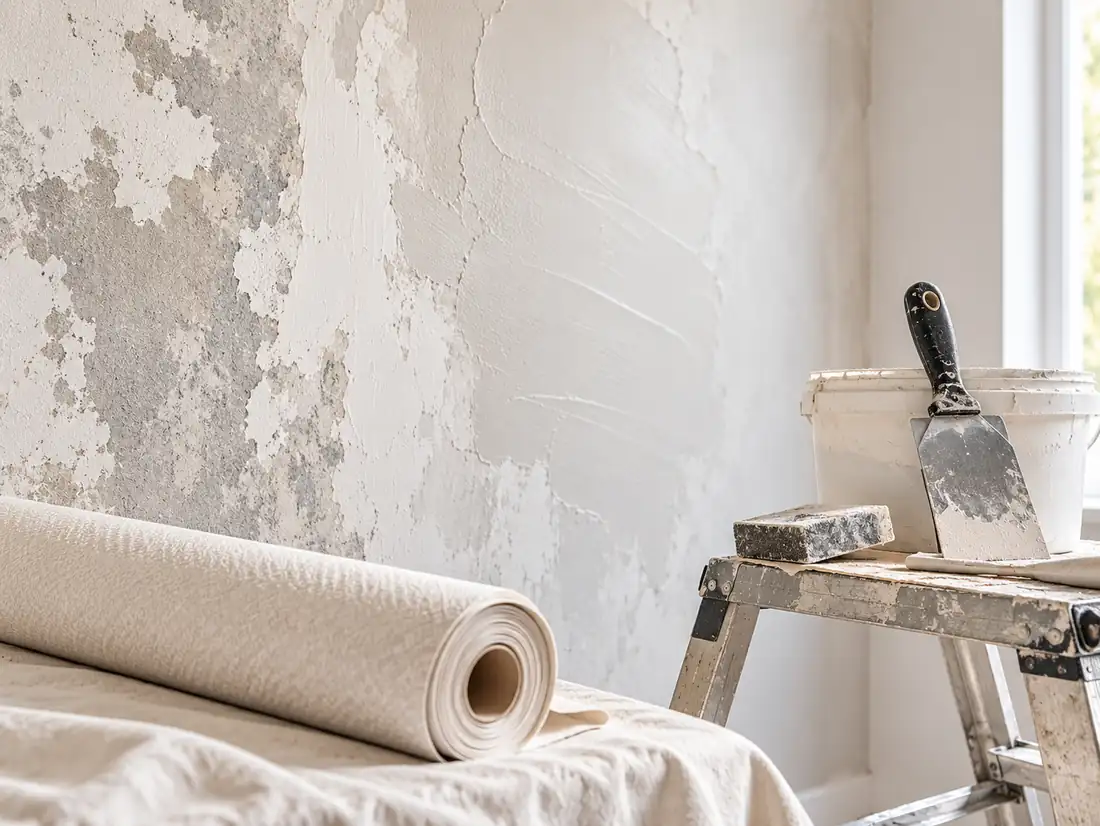
Skim coating and drywall surface preparation with joint compound and finishing tools

OUR PREPARATION SERVICES

What Wall Preparation Can Include

We choose the required steps after looking at the existing finish, the condition of the drywall or plaster, and the manufacturer's installation instructions. The final preparation plan can include one or several of the services below.

01

Skim Coating & Texture Smoothing

Thin coats of suitable joint compound or finishing material can help reduce or eliminate existing wall texture. Multiple passes may be necessary for heavy knockdown, uneven surfaces, or wallpaper that requires a very smooth base. Application, drying, and sanding are evaluated between coats.

02

Drywall Patching & Surface Repair

We evaluate minor dents, nail holes, small cracks, torn paper, and uneven previous repairs. Loose material and damaged areas must be addressed before applying a skim coat or wallpaper primer. Significant structural, water-damaged, or mold-affected substrates may require a specialist before finishing work continues.

03

Controlled Sanding & Dust Management

Sanding reduces ridges, tool marks, and imperfections between coats. Protection and cleanup help limit the impact on adjacent rooms. Dust must be removed before priming because an otherwise smooth surface can still fail if the coating cannot bond to the substrate.

04

Wallpaper Primer & Sealing

Priming is not simply another layer of paint. We consider porosity, existing coatings, newly applied compound, and the planned wallpaper adhesive. Manufacturer-compatible wallpaper primer helps create a more consistent base; a stain-blocking or problem-surface primer may be needed in specific conditions.

05

Post-Removal Wall Restoration

After removing old wallpaper, walls may contain glue residue, torn drywall facing, or patches exposed by stripping. These must be cleaned, repaired, and sealed as appropriate before a new wallcovering is installed or a painted finish is applied.

06

Wall Readiness Assessment

Not every wall needs the same amount of work. Some painted and properly maintained surfaces only require cleaning, a limited repair, and primer. We can review photographs, wallpaper information, and close-up images of the texture before recommending whether localized or full-wall preparation is appropriate.

FROM INSPECTION TO A READY SURFACE

Our Wall Preparation & Skim Coating Process

The sequence is tailored to the surface, but the following stages explain how professional drywall smoothing and wallpaper preparation typically work.

01

Inspect the Wall & Confirm the Finish

We assess texture depth, surface soundness, existing coatings, patch repairs, and signs of moisture. We also review the wallpaper's backing, weight, sheen, or printed finish because these affect the smoothness and priming requirements.

If existing wallpaper is present, we first determine whether it should be removed and what repairs could follow.

02

Protect & Prepare the Work Area

Work areas are prepared with appropriate floor and furniture protection. Loose or unstable material is addressed, surfaces are cleaned, and repair areas are identified. Any suspected active leak or moisture problem needs resolution before finishing begins.

03

Patch, Repair & Apply Skim Coats

Defects and joints are repaired as needed. Where full smoothing is appropriate, thin skim coats are applied to reduce texture and create a consistent surface. The number of applications depends on the original wall and the level of finish required.

04

Allow Proper Drying & Sand Smooth

Each application needs suitable drying time before additional work. Controlled sanding reduces ridges and tool marks. We inspect the wall under appropriate lighting and make further corrections where visible irregularities remain.

05

Clean, Seal & Prime

Sanding dust and residue are removed. The surface is then primed using a system appropriate for the drywall condition and intended wallcovering or paint. Bare compound, torn facing paper, and previously painted areas may require different treatment.

06

Final Readiness Check

Before installation, we look for missed imperfections, inconsistent porosity, or areas requiring more curing time. The surface should be sound, dry, clean, and compatible with the next product. From there, the project can move into wallpaper installation in San Diego or interior painting.

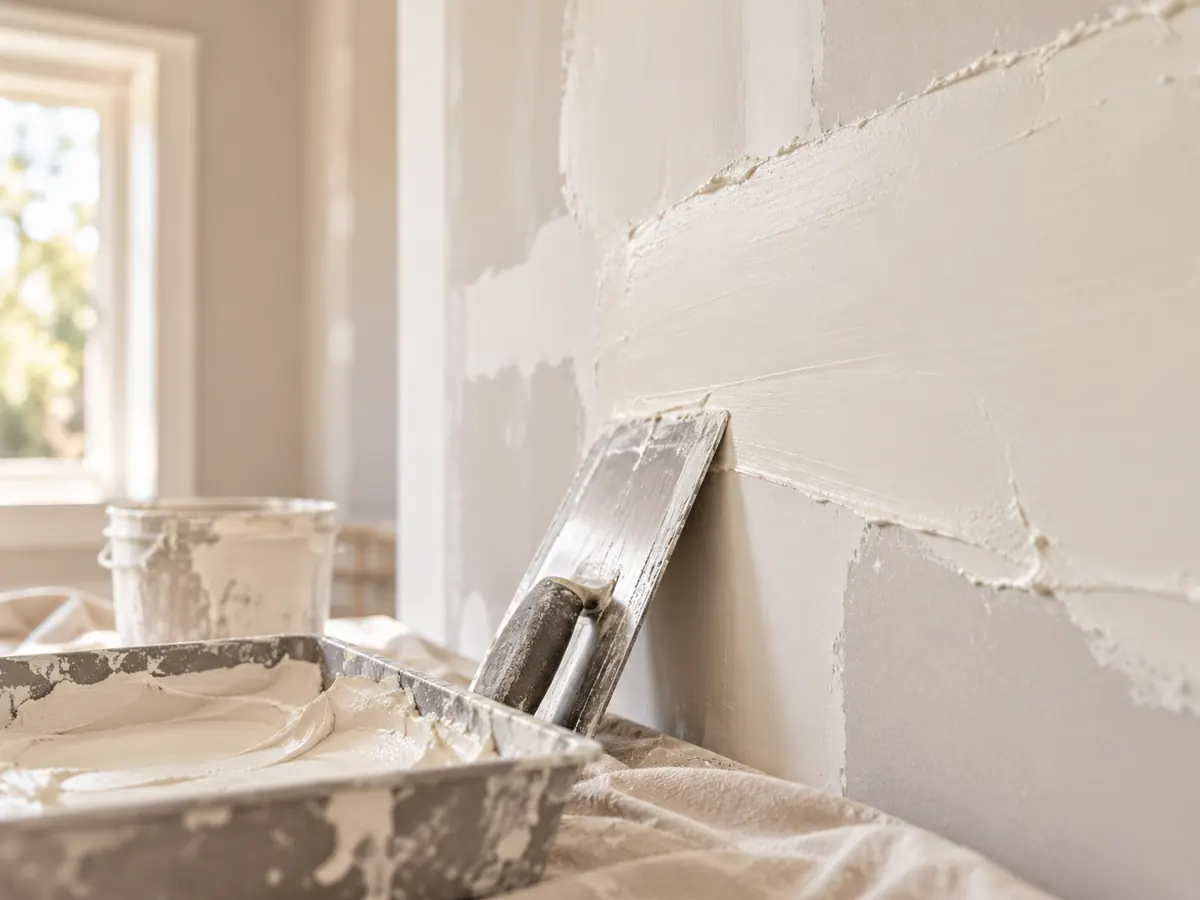
Skim coating being applied with a drywall taping knife to smooth a wall surface in San Diego
Skim coating application
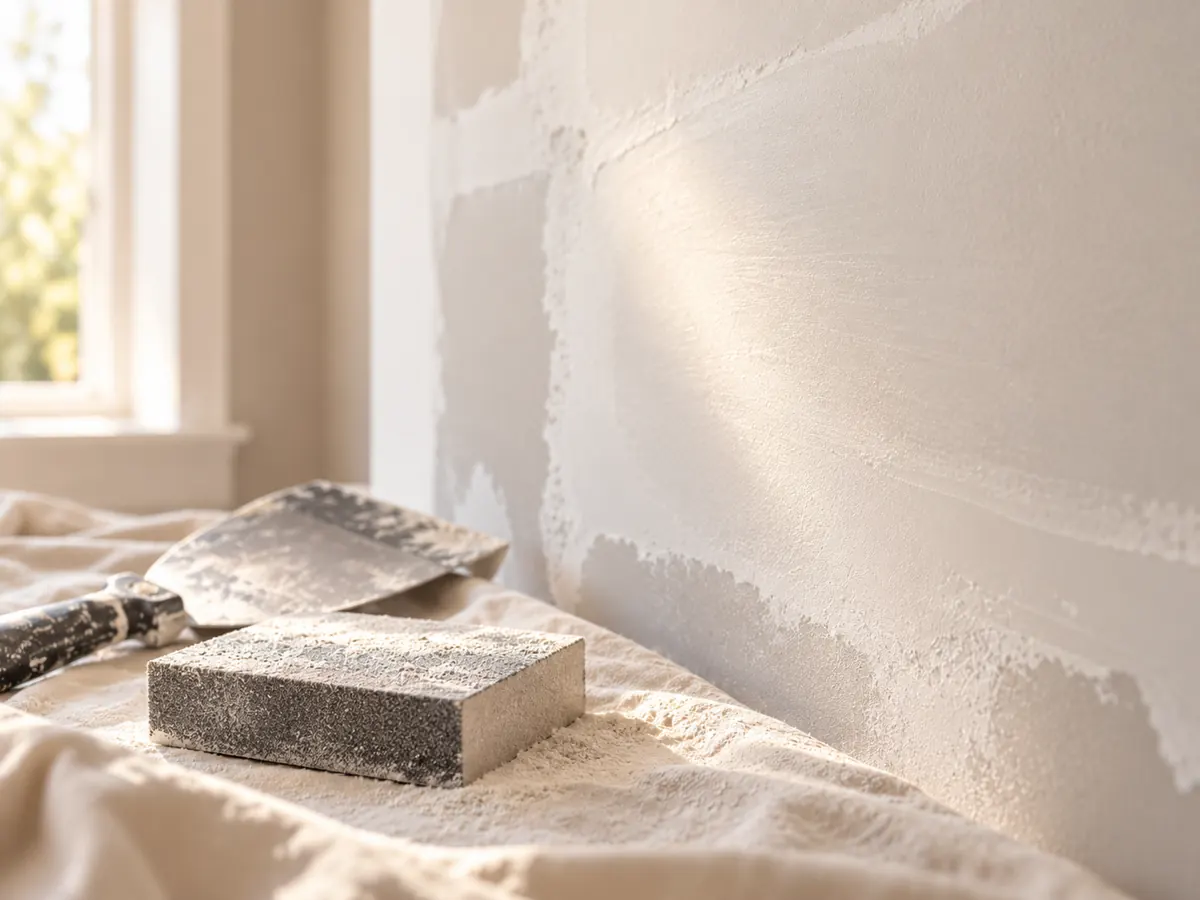
Sanding sponge and drywall finishing knife used for wall preparation after skim coating
Sanding and surface inspection
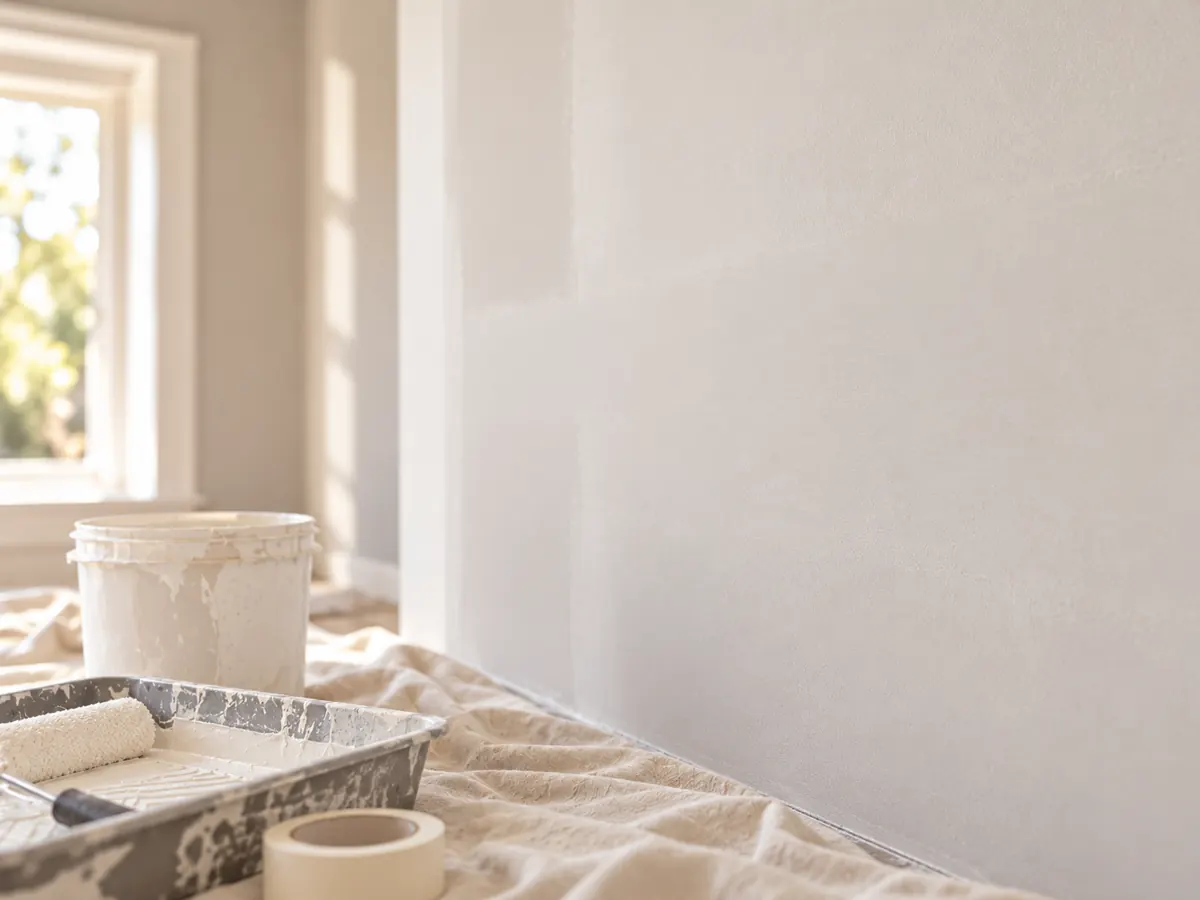
Smooth prepared drywall with finishing tools before wallpaper primer application
Smooth wall ready for primer

CHOOSE THE RIGHT FINISH

Wall Preparation for Wallpaper vs. Painting

A wall that looks acceptable with a matte paint finish is not automatically ready for thin, reflective, or patterned wallpaper. The finish determines the tolerance for texture and the primer requirements.

For Wallpaper Installation

Raised texture can show through wallpaper or prevent an even application. Thin papers, vinyl, non-woven materials, grasscloth, designer wallcoverings, and custom murals can react differently to surface irregularities. We consider the wallpaper manufacturer’s instructions, substrate absorbency, and the appropriate wallcovering primer.

Learn about our wallpaper installation process and San Diego wallpaper contractor services.

For Interior Painting

Preparation for painting may focus on repairs, feathered patches, sanding, and a smooth finish appropriate for the selected sheen. Higher-sheen paint and strong side lighting reveal more flaws. When a particularly smooth appearance is desired, more extensive skim coating and surface finishing may be recommended.

See our interior painting services in San Diego for the painting phase.

Important: A skim coat does not repair active leaks, structural movement, or ongoing moisture damage. Those underlying issues must be addressed before cosmetic wall preparation.

COMMON SAN DIEGO WALL CONDITIONS

When Is Skim Coating Recommended?

There is no universal answer based on room size alone. The required preparation depends on what is already on the wall and what you intend to install.

Orange-Peel Drywall Texture

Light to moderate orange-peel texture can sometimes be reduced through appropriate smoothing. Thin wallpaper and murals commonly require a flatter surface than textured paint alone.

Knockdown or Heavy Texture

Raised and irregular texture usually requires more extensive flattening if the desired finish is smooth wallpaper. Several thin coats may be necessary, depending on the substrate.

Damaged Walls After Wallpaper Removal

Existing adhesive, torn drywall face paper, and gouges should be handled before priming. When old wallpaper is still present, start with our wallpaper removal service.

Previously Patched or Painted Walls

Spackle ridges, mismatched repair texture, peeling coatings, and shiny paint can interfere with the final result. Repairs may need feathering, abrasion, cleaning, and compatible primer.

Bathrooms, Powder Rooms & Kitchens

These spaces require special attention to ventilation, moisture history, and wallpaper suitability. Smoothness alone is not enough if the surface is damp or coatings are failing.

Feature Walls & Custom Murals

Large graphics, thin materials, and side lighting make unevenness particularly noticeable. Smoothness, flatness, and consistent absorbency are important before layout and installation begin.

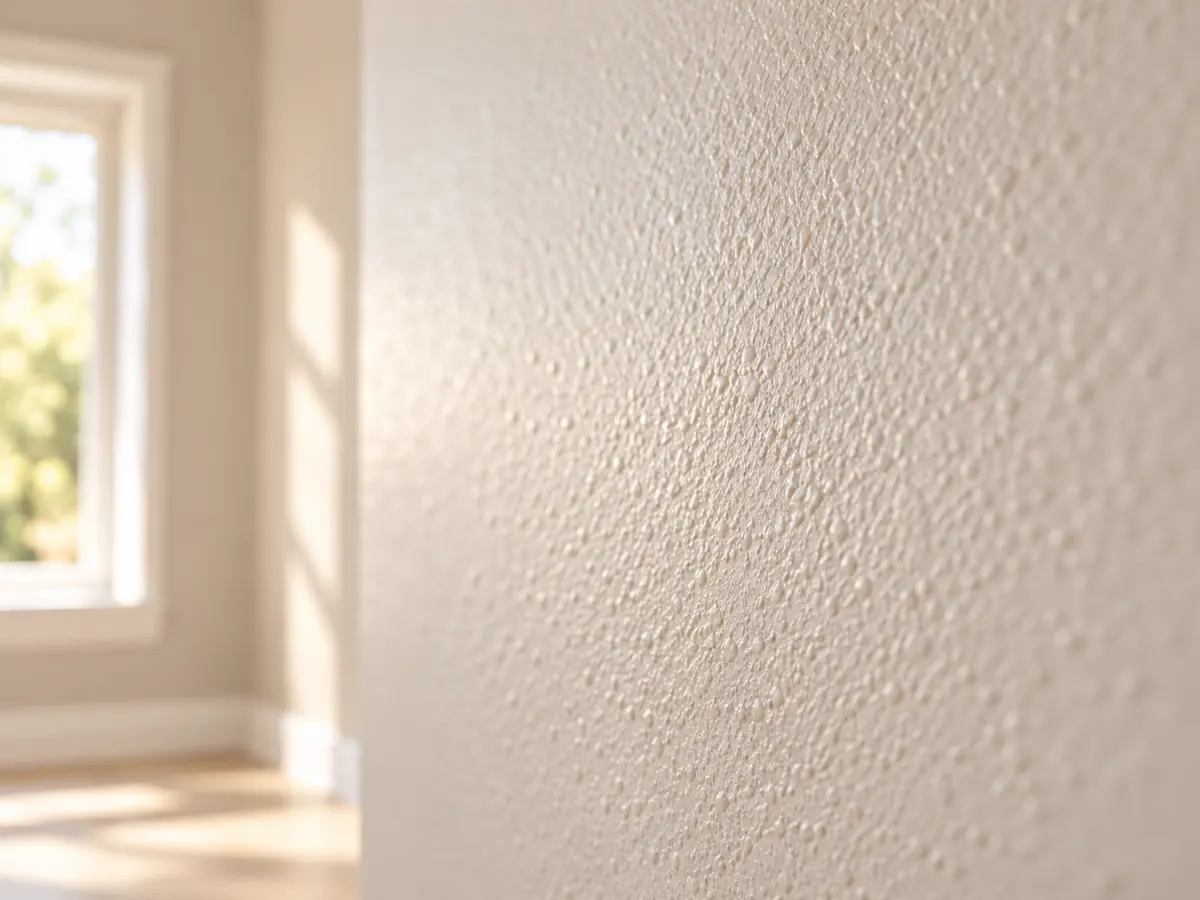
Close-up of orange peel wall texture before drywall smoothing and skim coating in San Diego
Existing wall texture
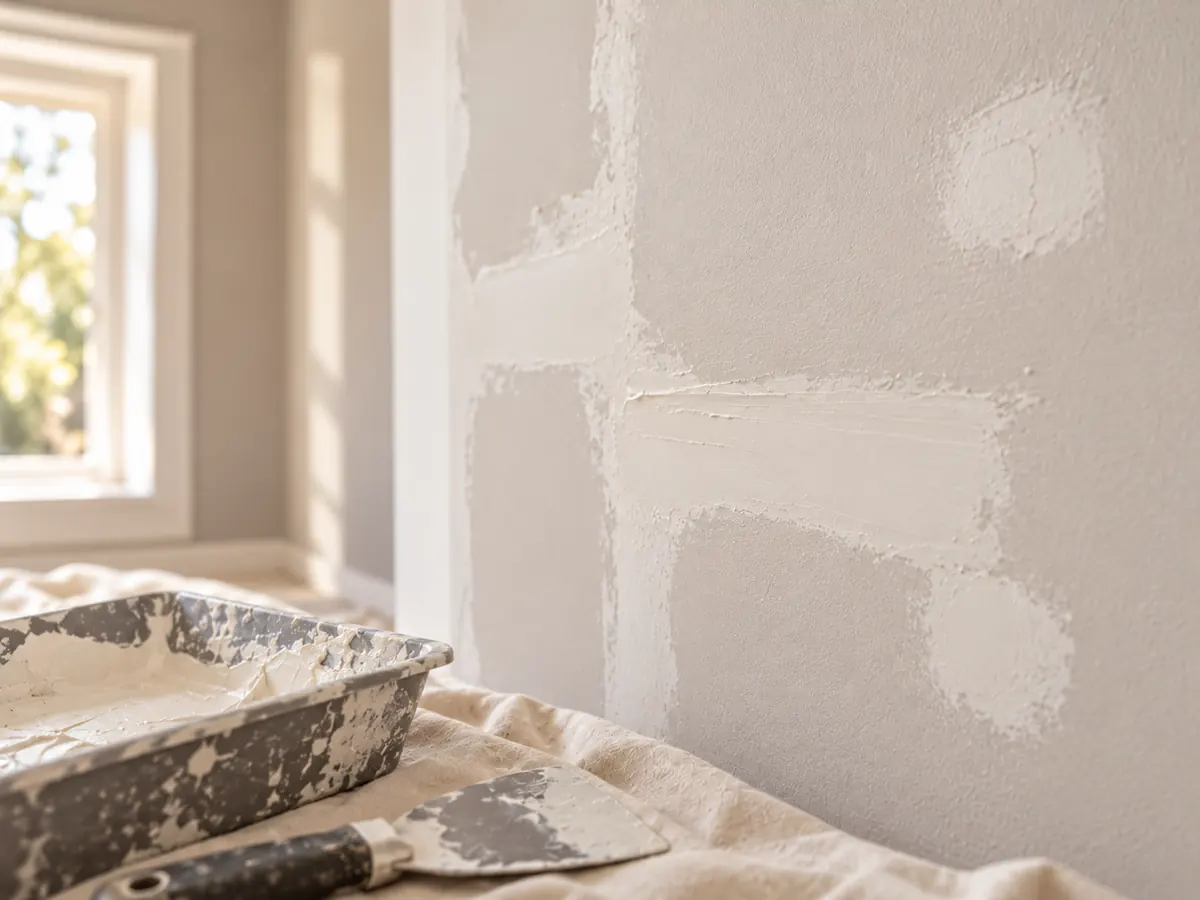
Partially skim-coated textured drywall showing surface repair and smoothing in progress
Wall surface repairs
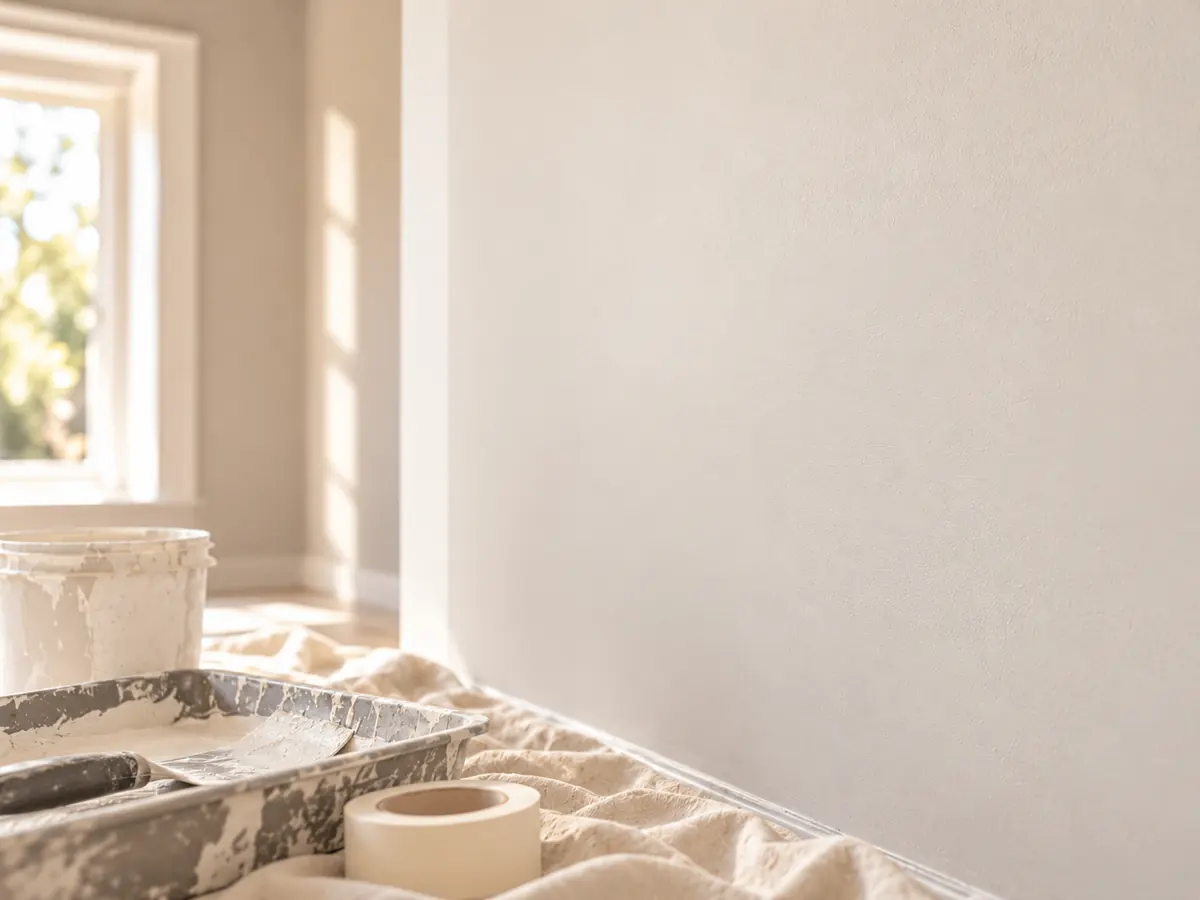
Smooth finished interior wall after skim coating and drywall surface preparation
Smooth finished wall

PLANNING YOUR PROJECT

Wall Preparation & Skim Coating Cost in San Diego

The cost of skim coating or preparing walls for wallpaper depends on more than square footage. A short accent wall with heavy knockdown texture can require a different amount of labor than a larger wall that is already nearly smooth.

Existing Texture & Wall Condition

Texture height, damaged drywall, cracked patches, adhesive residue, and previous paint layers affect the number of preparation steps.

Finish Requirements

A delicate designer wallpaper or smooth mural may require more preparation than a finish that tolerates slight substrate irregularity. Manufacturer requirements guide the approach.

Project Access & Scope

Wall height, corners, ceilings, room protection, drying time, and whether wallpaper removal or painting is included all influence an estimate.

Wall preparation and wallpaper installation can be estimated as separate work items, so you can understand the scope before moving forward. We do not quote a final price from square footage alone without considering the existing surface.

LOCAL SERVICE

Wall Preparation Services in San Diego & Nearby Communities

Dream Walls Studio works on residential interiors and selected commercial spaces in San Diego and surrounding communities. Projects may include textured drywall preparation, smoothing walls before wallpaper installation, surface repairs, or wall finishing after removal.

Also serving other neighborhoods and communities listed in our Service Areas menu. Contact us with your location and project details to confirm availability.

Frequently Asked Questions

Do I need skim coating before installing wallpaper?
Not always. If the wall is smooth, sound, clean, and suitable for the selected wallpaper, limited repairs and appropriate primer may be enough. Heavy orange-peel or knockdown texture, uneven patches, and damaged drywall can require skim coating. The wallpaper backing and manufacturer guidelines are important factors.
Can wallpaper be installed over orange-peel texture?
Some wallcoverings may tolerate slight texture, but many designer papers, thin materials, and murals can show bumps or poor contact over orange-peel surfaces. We evaluate both the wall and material before recommending smoothing.
What is the difference between skim coating and drywall repair?
Drywall repair usually addresses individual defects such as holes, dents, torn paper, or localized cracks. Skim coating spreads a thin layer of compound over a broader area to create a more uniform finish and reduce existing texture. A project may require both.
How smooth do walls need to be for grasscloth, vinyl, or murals?
The ideal surface varies by wallcovering manufacturer and product. Grasscloth and other natural fibers, thin non-woven materials, reflective vinyl, and custom murals can make irregularities more visible. A smooth, stable, uniformly primed substrate generally supports better results than textured or uneven drywall.
Do you remove wallpaper glue before skim coating?
Residual adhesive needs to be evaluated and dealt with before applying new compounds and primers. Some adhesives can reactivate with moisture or interfere with bonding. We can coordinate preparation after wallpaper removal, including necessary cleaning and substrate treatment.
What primer should be used before wallpaper installation?
The appropriate primer depends on the wall material, previous paint, repairs, moisture history, and the wallpaper adhesive. A compatible wallcovering primer is often used, but damaged drywall face paper or staining may need specialized treatment first. We refer to the wallcovering and primer manufacturers' directions.
How long does skim coating take to dry?
Drying time depends on compound type, coat thickness, temperature, humidity, ventilation, and wall condition. Several coats, sanding, and primer may be required. We do not recommend wallpaper installation over compound or primer that has not dried or cured as instructed.
Can you prepare walls after old wallpaper has been removed?
Yes. This often involves addressing adhesive residue, damaged drywall facing, and patches before smoothing and priming. See our removal services if the old wallcovering is still on the wall.
Is Level 5 drywall finishing necessary for every wallpaper project?
No. A very smooth, uniform surface can be desirable for certain thin or reflective finishes, but the required finish level depends on the wallcovering and the project's specifications. We recommend a preparation scope based on those needs rather than applying the same standard to every wall.
How much does wall preparation cost in San Diego?
Pricing depends on wall area, existing texture, repairs, access, number of coats, primer system, and whether removal or installation is part of the project. Photos, approximate dimensions, and details about the wallpaper help us prepare an accurate estimate.
Do you prepare ceilings and commercial walls?
Projects may include selected ceilings and commercial interiors, depending on the substrate, access requirements, and schedule. Let us know whether the walls are in a home, office, retail space, or another environment when you request an estimate.

READY FOR A SMOOTHER FINISH?

Let's Get Your Walls Ready

Send photographs of the full walls, close-ups of existing texture or damage, approximate dimensions, and the wallpaper brand or product link if you have already selected a material. We will review the details and advise on the next step.