Dream Walls Studio

DREAM WALLS STUDIO · SPECIALTY WALLPAPER INSTALLATION

Peel-and-Stick Wallpaper Installation in San Diego

Professional installation of self-adhesive wallpaper, removable wallcoverings and peel-and-stick feature walls — with careful surface assessment, pattern matching and finishing.

SELF-ADHESIVE WALLPAPER INSTALLATION

A Fresh Look Without Traditional Wallpaper Paste

Peel-and-stick wallpaper can create a bold accent wall, refreshing pattern or full-room transformation. But removing the backing and pressing the material into place is only part of a professional installation.

Dream Walls Studio provides peel-and-stick wallpaper installation in San Diego for selected residential and commercial interior projects. Also known as self-adhesive or removable wallpaper, this type of wallcovering comes with adhesive already applied to its backing. Unlike many traditional wallpapers, it typically does not require separate paste during hanging. That convenience makes the condition of the painted wall, panel placement and adhesive compatibility especially important.

Self-adhesive wallpaper is not always easy to correct once it touches the surface. A large sheet may grab too quickly, fold onto itself, develop wrinkles or shift out of alignment. On textured drywall, contact may be uneven; on delicate or insufficiently cured paint, installation and future removal may create problems. Product-specific preparation and a controlled installation method help reduce avoidable issues.

We can review wallpaper selected by the client or designer. To assess a project, we need the brand or product link, the manufacturer's instructions, photographs of the walls, a close-up of any texture and approximate measurements. We can also discuss when wall smoothing and skim coating or old wallpaper removal may be needed first.

Looking for general installation options rather than a self-adhesive material? See our professional wallpaper installation page. For a large graphic printed in numbered panels, explore custom wall mural installation.

The right adhesive surface, patient panel alignment and a material-specific technique all contribute to a better result.
What Is Peel-and-Stick Wallpaper?

Peel-and-stick wallpaper has an adhesive backing protected by a release liner until installation. It is available in a variety of prints, weights and surface finishes.

Many products are marketed as removable or temporary, but actual adhesion and removability depend on the exact wallpaper, wall coating and installation conditions. Some are designed for short-term decoration while others are intended to remain in place longer. Not every product permits repositioning, and future removal without damage cannot be guaranteed.

Common peel-and-stick applications include:

  • Bedroom and living room accent walls
  • Powder room feature walls
  • Home offices and workspaces
  • Kids' rooms and decorative features
  • Self-adhesive scenic murals
  • Selected retail or reception graphics

Before installation we check the product's specific requirements for substrate condition, paint compatibility, cleaning, moisture and removal.

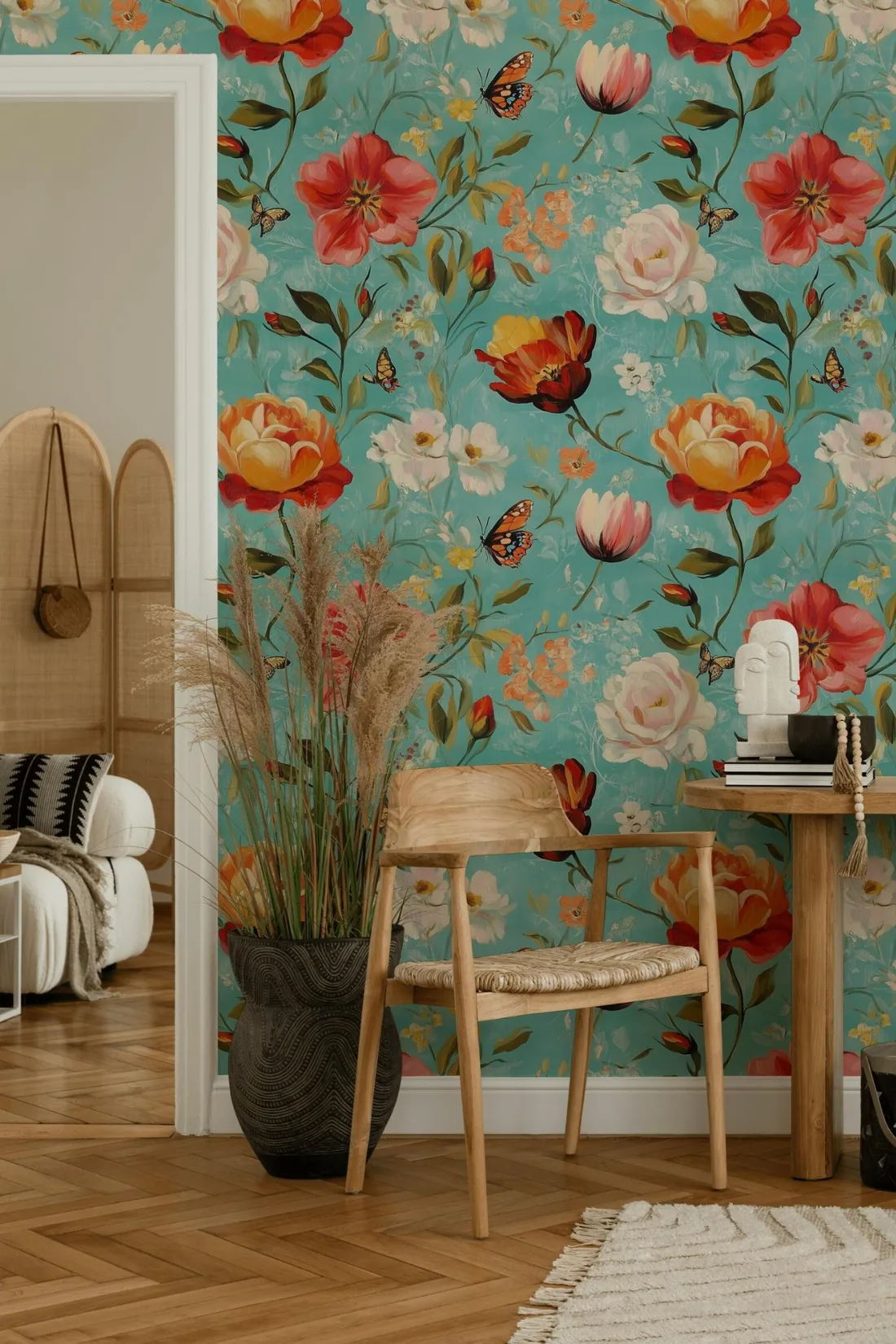
Colorful botanical peel-and-stick style wallpaper accent wall in an interior, with bright flowers and butterflies

MATERIALS WE CAN EVALUATE

Types of Self-Adhesive Wallpaper

The words “peel and stick” describe an adhesive format, not one universal material. The product's construction and intended use determine the appropriate handling and installation method.

01

Traditional Self-Adhesive Wallpaper

Pressure-sensitive wallpaper typically has a removable liner that exposes an adhesive backing. It is installed without ordinary wallpaper paste, but the liner, adhesive strength, and repositioning rules vary by manufacturer. Large panels can be difficult to handle without stretching or trapping air.

02

Removable Vinyl Wallpaper

Many removable decorative wallpapers are made from printed vinyl or a vinyl-like face with self-adhesive backing. Actual cleanability, durability and removability depend on the selected product. We check substrate recommendations, coating compatibility and seam instructions before installing.

03

Non-Woven Self-Adhesive Products

Some self-adhesive products use different fabric or non-woven constructions. Their stiffness, adhesive and thickness can affect how a corner or seam is handled. A product sold as 'peel and stick' should not automatically be treated like every other removable wallpaper.

04

Peel-and-Stick Wall Murals

A full graphic may arrive in numbered self-adhesive panels. Maintaining the image sequence and positioning a focal subject make layout more demanding than a simple repeating accent-wall print. For printed images, see our custom wall mural installation page.

05

Temporary Decorative Feature Walls

A peel-and-stick product may be selected for an accent wall or an interior refresh. Before planning a short-term installation, the wall condition, age and type of paint, adhesive specifications, and removal instructions should be reviewed carefully.

06

Commercial Self-Adhesive Graphics

Offices, retail spaces and selected business interiors sometimes use self-adhesive branding or decorative wall graphics. These products can have stricter requirements for surface testing, fire performance, access and maintenance. See commercial wallcoverings for larger or specialized installations.

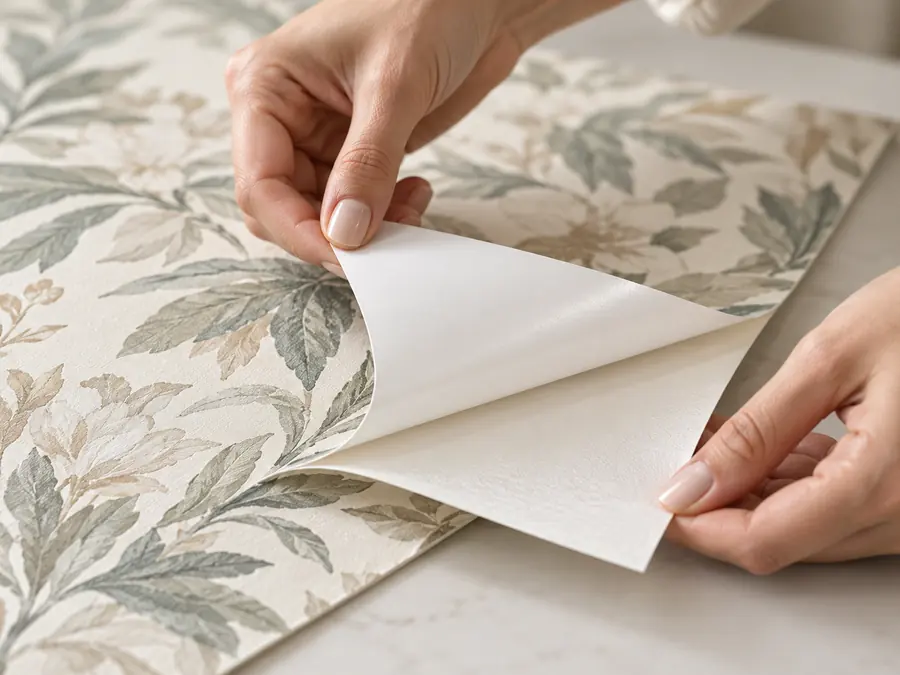
Hands lifting the paper release liner from floral peel-and-stick wallpaper
Self-Adhesive Wallpaper Backing
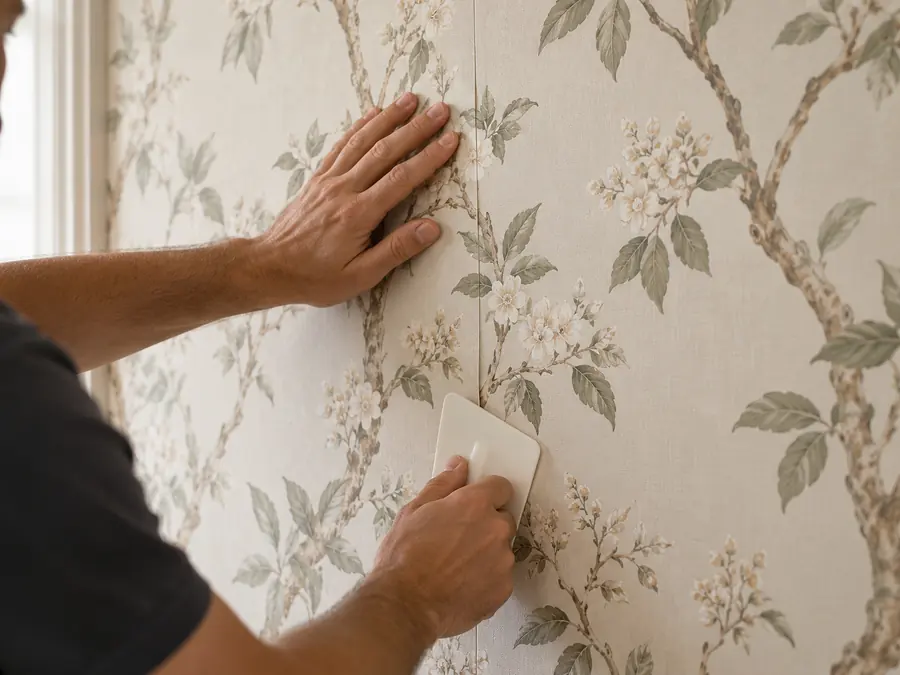
Wallpaper installer aligning floral wallpaper at a vertical panel seam
Pattern Alignment
Completed botanical floral wallpaper accent wall behind a bed in a cozy bedroom
Finished Wallpaper Feature Wall

KNOW THE DIFFERENCES

Peel-and-Stick vs. Traditional Wallpaper

Both formats can deliver attractive results, but they differ in how adhesive is applied, how easily panels can be adjusted and what preparation is needed. Neither is automatically a better fit for every room.

Peel-and-Stick Wallpaper

Often arrives with pressure-sensitive adhesive and a release liner, so separate wallpaper paste is usually not applied. It requires careful liner control, alignment and suitable surface conditions. Repositioning may be limited and removal performance is product-specific.

Traditional Paste-Applied Wallpaper

Typically requires a manufacturer-specified adhesive, an appropriate primer and a product-specific installation process. Some papers need booking time or paste applied to the material, while others use paste-the-wall methods. The best choice depends on the desired look and installation environment.

A removable wallpaper label is not a promise of damage-free removal. Test requirements, paint curing time and substrate suitability should be confirmed against the manufacturer's instructions before installation.

BEFORE PEELING THE BACKING

Which Walls Are Suitable for Peel-and-Stick Wallpaper?

Wall condition is one of the biggest differences between a satisfying installation and panels that lift, wrinkle or fail to adhere. These are common surfaces that warrant extra attention.

Freshly Painted Walls

Paint may feel dry before it has fully cured. Self-adhesive wallpaper can pull paint or fail to adhere if applied too soon. Follow the wallpaper and paint manufacturers' instructions and perform any recommended compatibility test.

Orange-Peel or Knockdown Texture

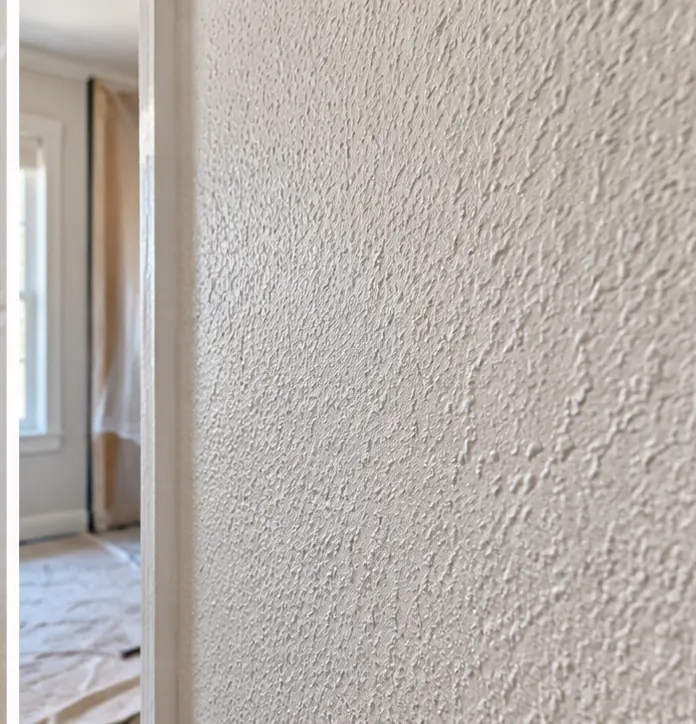
Raised texture can reduce contact between the adhesive and the wall, cause air pockets or make edges lift. Some products explicitly require a smooth surface. Professional skim coating and smoothing may be the right step before installation.

Matte, Chalky or Porous Surfaces

Powdery, porous or inadequately sealed surfaces may create unreliable bonding. The required primer or surface treatment depends on both the product and the existing wall finish.

Glossy or Specially Coated Paint

Some low-VOC, washable or specialized coatings may be incompatible with particular self-adhesive wallpapers. The actual coating and manufacturer's restrictions should be checked rather than assuming all painted drywall is suitable.

Bathrooms, Kitchens and Moisture

Humidity, steam, splash exposure, cleaning products and ventilation can affect adhesion and lifespan. Not every peel-and-stick wallpaper is designed for bathrooms or kitchen backsplashes.

Previous Wallpaper or Wall Damage

Applying new wallpaper over a loose, damaged or uneven existing wallcovering can create future problems. Depending on the conditions, the old material should be removed, the wall repaired and the surface prepared first.

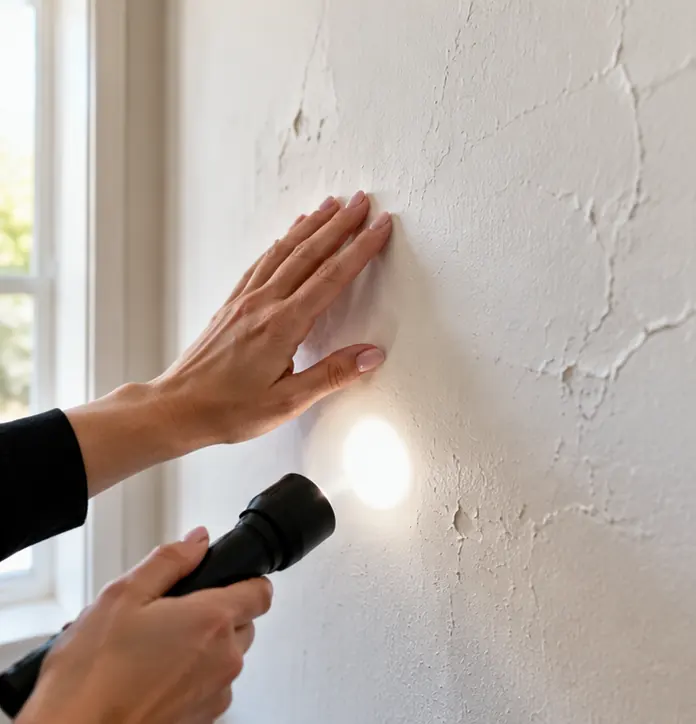
Hand and flashlight inspecting the condition of a painted wall before wallpaper installation
Painted Wall Condition
Close-up of rough orange peel drywall texture before wall smoothing
Textured Drywall Before Smoothing
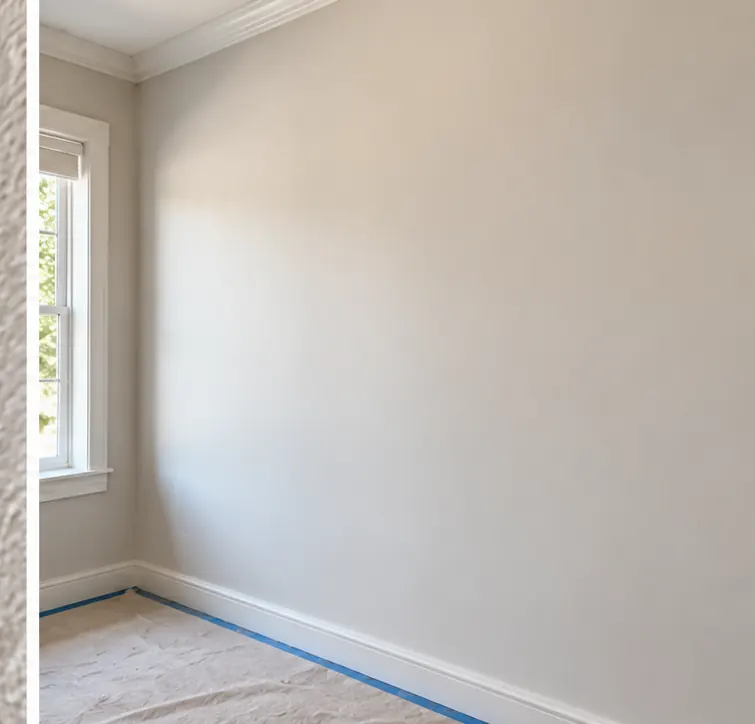
Smooth prepared white wall with protective floor covering before wallpaper installation
Smooth Wall Ready for Wallpaper

OUR INSTALLATION APPROACH

How We Approach Peel-and-Stick Wallpaper Installation

Installing self-adhesive wallpaper means controlling the backing, alignment, contact pressure and seams. The exact procedure depends on the selected manufacturer and the existing wall.

01

Review the Wallpaper Brand and Instructions

We begin with the manufacturer, product link, adhesive construction, pattern and printed roll dimensions. We confirm whether the product is actually self-adhesive and review any stated restrictions related to paint, texture, primer, moisture and removal.

02

Inspect the Existing Wall

We evaluate the painted surface for raised texture, dust, old wallpaper, peeling coatings, recent repairs, moisture problems and other issues that may affect adhesion. A self-adhesive finish needs more than a visually attractive wall: it needs a compatible substrate.

03

Prepare and Test the Surface

Where needed, repairs, smoothing, cleaning or an appropriate surface treatment are discussed before installation. Manufacturer-recommended adhesion or compatibility testing may be important. We do not treat every wall with a generic primer because some adhesives have specific coating restrictions.

04

Measure and Plan the Layout

We check wall height and width, pattern repeat, focal areas, corners, door and window openings, and usable panel dimensions. For printed murals, the numbered sequence and image placement must be established before adhesion begins.

05

Apply and Align the Panels

We follow the product instructions for how the liner is removed and the panel is positioned. Careful control of alignment and smoothing helps limit trapped air, wrinkles and uneven seams. We avoid excessive tension that can stretch or distort the material.

06

Trim, Inspect and Explain Care

We finish edges and interruptions with appropriate methods, then inspect overall alignment, seams and visible areas. We also discuss the manufacturer's cleaning and removal instructions so the client understands how to maintain the installed finish.

DETAILS THAT MATTER

Common Challenges with Peel-and-Stick Wallpaper

Self-adhesive material can make some tasks simpler, while creating other challenges that are less common with paste-applied wallpaper. Careful planning helps prevent avoidable rework.

01

Panel Positioning Before Adhesion

Once a large self-adhesive panel touches the wall, moving it can be difficult. Planning the first vertical reference, pattern repeat and the order of the strips helps reduce the chance of stretching or misalignment.

02

Backing Liner Control

Removing the entire liner too early exposes a large sticky surface that may fold onto itself or collect dust. A controlled approach to peeling and applying the material follows the manufacturer's recommended method.

03

Air Bubbles and Surface Contact

Improper smoothing can leave trapped air, wrinkles or uneven contact. Tool choice, pressure and direction must suit the print and material to avoid scuffing, stretching or damaging the surface.

04

Seams, Patterns and Overlap

Not every peel-and-stick product uses butt seams. Some manufacturers require a small overlap, while others have specific trimming instructions. Pattern alignment and seam type are assessed before installation.

05

Corners, Outlets and Trim

Corners, door casings, built-ins, baseboards and switches require accurate cuts. Narrow strips and changes in direction can increase handling difficulty and raise the risk of adhesive edges being disturbed.

06

Future Removal Expectations

A product labeled removable can still lift paint, leave residue or damage repairs, depending on wall condition and how long it remains in place. Removal should follow the manufacturer's instructions; damage-free results cannot be guaranteed.

We do not guarantee perfect removability or zero wall damage in the future. Those outcomes depend partly on the paint, substrate, environmental exposure, adhesive and product-specific removal method.

PLANNING YOUR PROJECT

Peel-and-Stick Wallpaper Installation Cost in San Diego

The amount of labor needed for a self-adhesive installation depends on more than the number of rolls. Wall height, pattern repeat, corners, openings, surface condition and product handling requirements all influence the estimate.

01

Wall Dimensions and Access

Width, height, ceilings, staircases, trim, outlets and tight corners can make the installation more complex than a single uninterrupted wall.

02

Material and Pattern

Roll width, panel dimensions, pattern repeat, adhesive type, repositioning limits and seam instructions can change how the product must be installed.

03

Wall Preparation Requirements

Existing texture, repairs, paint compatibility, old wallpaper removal and smoothing may be discussed as separate tasks when needed.

Please send full-wall photos, close-ups of the texture, approximate dimensions, a product link and any installation instructions. We can review whether the selected material appears appropriate and what additional assessment may be needed. Final estimates depend on the real project scope.

SAN DIEGO SERVICE AREAS

Peel-and-Stick Wallpaper Installers in San Diego

Dream Walls Studio reviews peel-and-stick wallpaper installation projects in San Diego and nearby communities. Share your wallpaper information and project location to confirm suitability and availability.

These are links to our existing general wallpaper installation city pages. Other locations are listed in the Service Areas menu above.

Peel-and-Stick Wallpaper FAQ

Is peel-and-stick wallpaper easier to install than regular wallpaper?
It eliminates the usual paste step, but that does not necessarily make it easier. Large adhesive panels can grab the wall unexpectedly, trap bubbles or stretch during handling. Surface compatibility and precise positioning still matter.
Can peel-and-stick wallpaper go over orange-peel texture?
Many products require smooth walls. Orange-peel or knockdown texture can reduce adhesive contact, show through the finish, and cause lifting. Check the manufacturer's substrate requirements; skim coating or other smoothing may be appropriate.
Will peel-and-stick wallpaper damage paint when removed?
It can. Removal performance depends on paint condition, surface preparation, adhesive type and how the product is removed. The words 'removable' and 'renter-friendly' are not guarantees of damage-free removal.
How long should I wait after painting before applying self-adhesive wallpaper?
The correct waiting period depends on the paint and wallpaper manufacturers. Dry-to-touch paint may not be fully cured. Check both specifications rather than relying on a universal number of days.
Do you install wallpaper that a customer purchased online?
We can review selected customer-supplied peel-and-stick products. Please send the product link, brand, installation instructions, wall photographs and approximate measurements so we can assess the scope.
Do I need primer before applying peel-and-stick wallpaper?
Not always. Some adhesive manufacturers recommend particular sealed or painted surfaces and may discourage certain primers. Primer selection must be based on the actual wallpaper and wall conditions.
Can you install peel-and-stick wallpaper in a bathroom?
Some products may be suitable in well-ventilated areas away from direct water exposure; others are not recommended for humid rooms. Material specifications, moisture history and ventilation determine suitability.
How do you remove bubbles from peel-and-stick wallpaper?
Technique depends on the backing and adhesive. Controlled smoothing during application is preferable to trying to repair problems afterward. Aggressive tools or repeated repositioning may damage certain materials.
Can peel-and-stick wallpaper be installed on a ceiling?
Some products may permit ceiling application, but adhesive strength, overhead conditions, product weight and access need careful review. Not all self-adhesive wallpaper manufacturers approve ceiling use.
How much does peel-and-stick wallpaper installation cost in San Diego?
The quote depends on wall dimensions, material, pattern alignment, corners and outlets, access, and any surface preparation. Photos and a product link help us estimate the actual work.
Is peel-and-stick wallpaper reusable?
Many removable products are not designed to be reused once taken down. Reusability is a manufacturer-specific claim and can be affected by dust, adhesive contamination, stretching and removal technique.
Can you remove existing wallpaper before installing peel-and-stick?
Yes, we can review removal of old wallcoverings and subsequent wall preparation as separate steps when needed before applying the selected material.
What is the difference between peel-and-stick wallpaper and a peel-and-stick mural?
Wallpaper commonly repeats a pattern from strip to strip. A mural often forms one large graphic divided into numbered panels, making the overall image placement and panel sequence more important.
What should I send to receive a wallpaper installation estimate?
Send photos of all walls, a close-up of texture or damage, approximate dimensions, the wallpaper brand and link, and any installation instructions. Also let us know whether you already have the material.

READY TO INSTALL YOUR WALLPAPER?

Let's Get Your Walls Ready for a Fresh Look

Send your wall photographs, measurements, and the self-adhesive wallpaper brand or product link. We will review the installation requirements and help determine the next step.