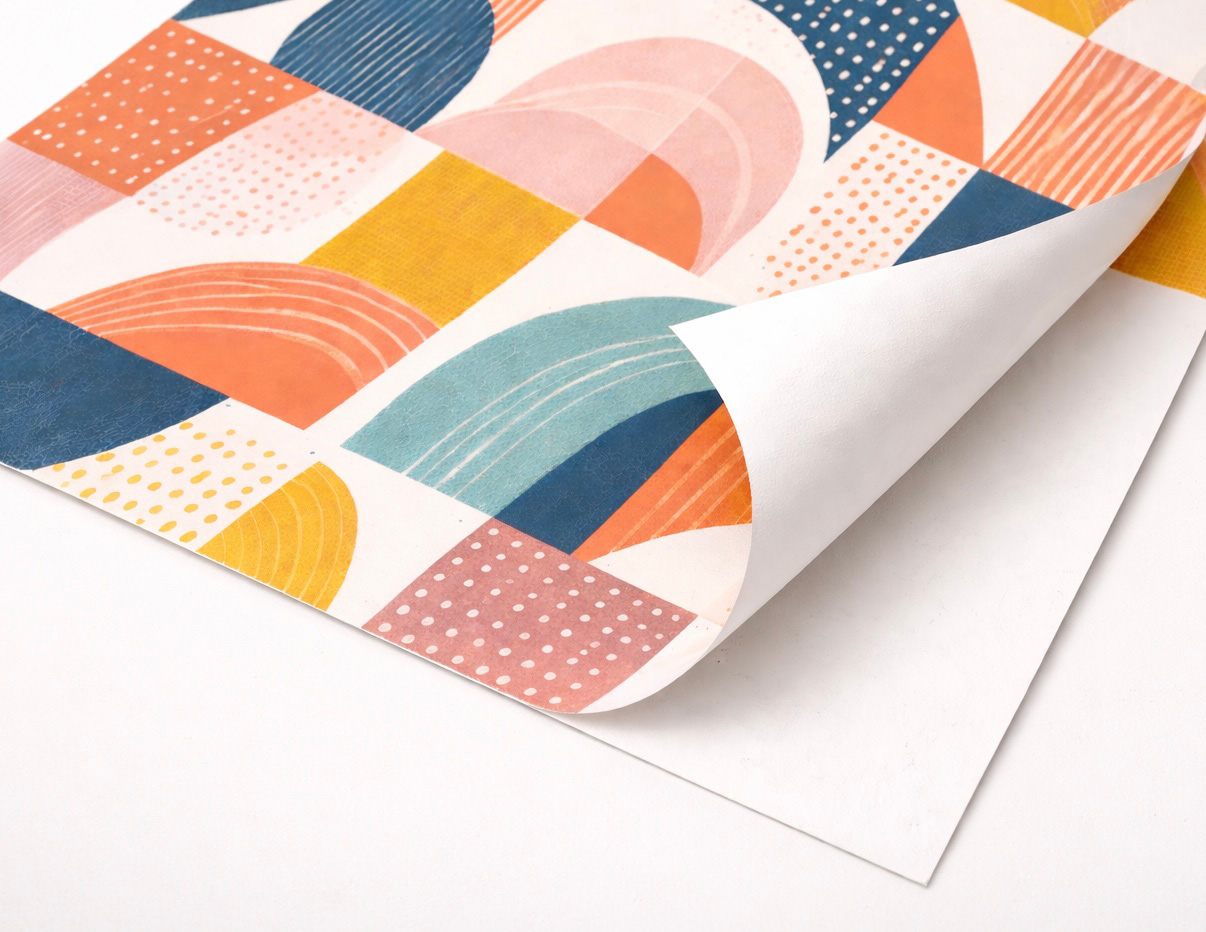
Peel-and-stick as a “one-size-fits-all” solution
It can work as a temporary option, but it should not automatically be treated as the best choice for every wall or every room.
Wallpaper Buying Guide
Choosing wallpaper is not just about finding a pattern you like online. The best wallpaper for a home depends on the material, the installation method, the wall condition, the room, and how the product will actually perform once it is installed.
Many wallpapers look beautiful in photos but lead to disappointing results because the material, seams, wall surface, or installation method were never properly considered. This guide will help you make a smarter decision before you order — whether you are comparing wallpaper types, reviewing samples, or planning a full Wallpaper Installation project.
Important Note: The best wallpaper is not only about design — it is also about material, wall condition, installation method, and long-term performance.
On This Page
Most homeowners start with color and pattern. Professionals start with the material, the wall, and the installation method.
Good wallpaper should not only look beautiful online. It should also be stable, suitable for the room, realistic for the wall condition, and likely to give a clean final result once installed. In other words, a good wallpaper choice is not only about style — it is about choosing a product that can actually look right on your wall.
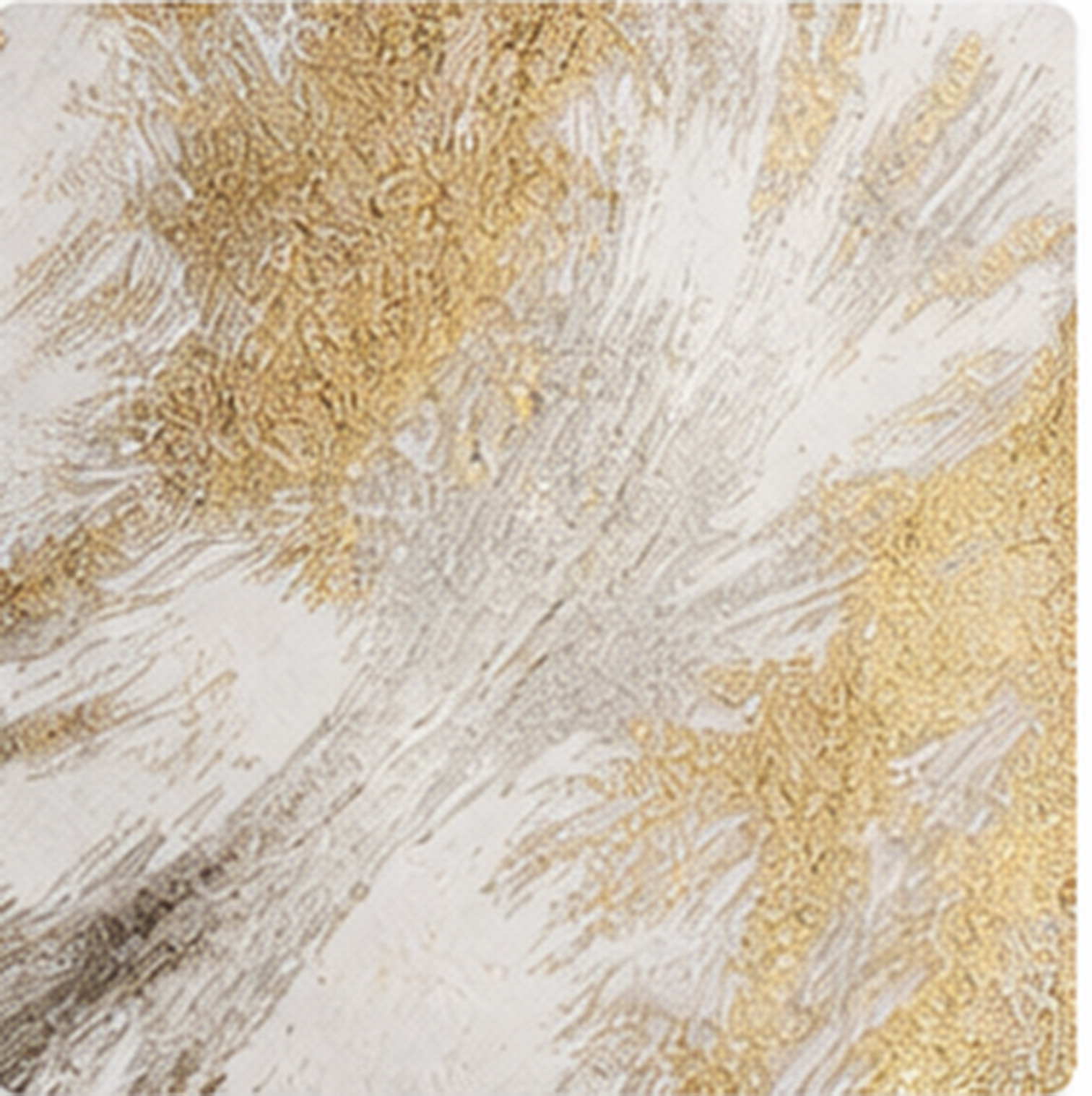
A sample tells you more than a product photo ever will. It lets you see the real color in your own lighting, feel the material in your hand, and compare it to your paint, flooring, trim, and furniture.
It also helps reveal one important truth: many online wallpaper photos are heavily edited, carefully styled, or simply more flattering than the real product. A real sample tells you far more than a styled product photo ever can.
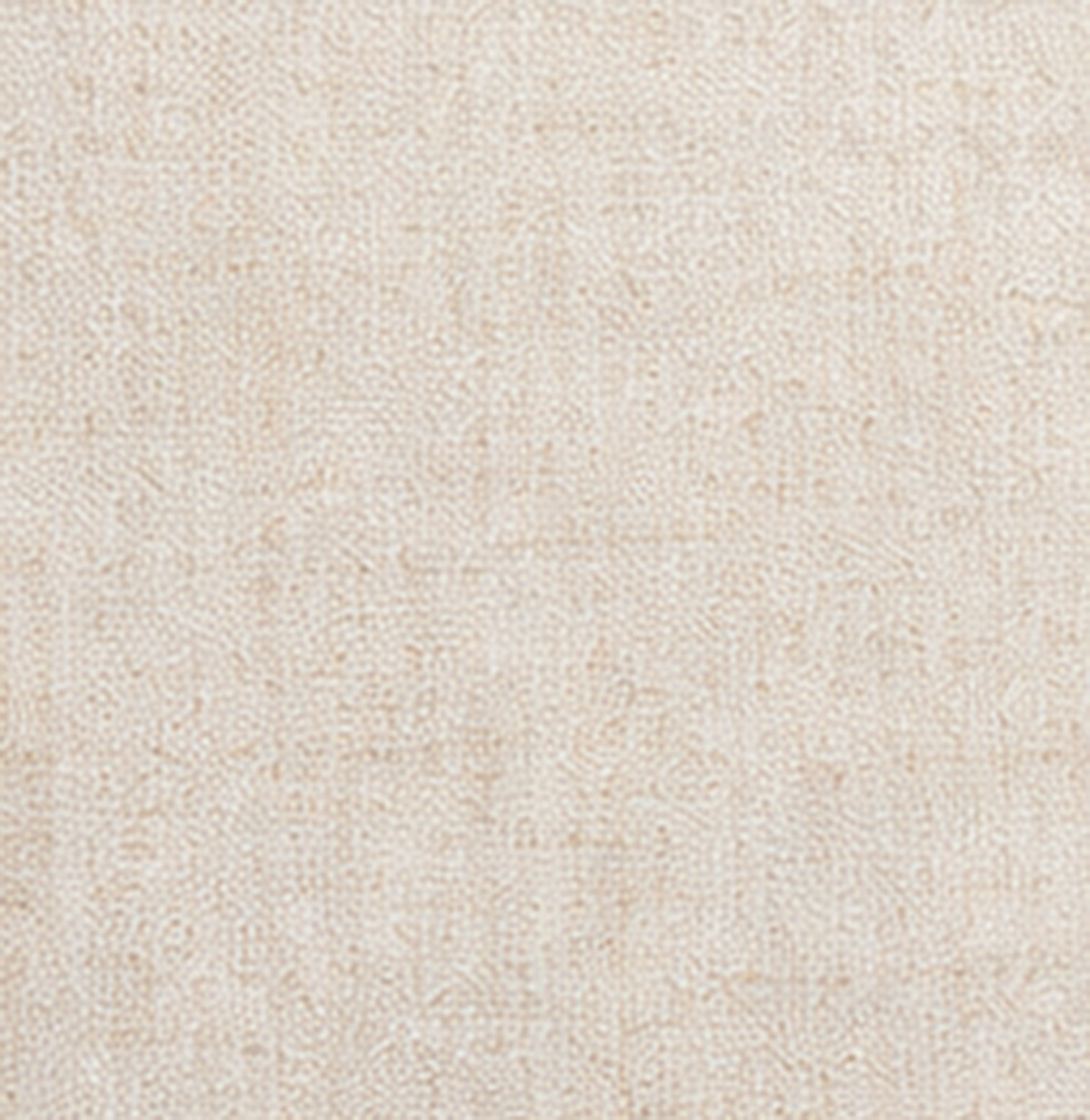
Before you order, check more than the pattern and color.
If a wallpaper listing is vague about the material, weak on installation information, or unclear about what kind of wall the product needs, that is usually a warning sign.
It can work as a temporary option, but it should not automatically be treated as the best choice for every wall or every room.
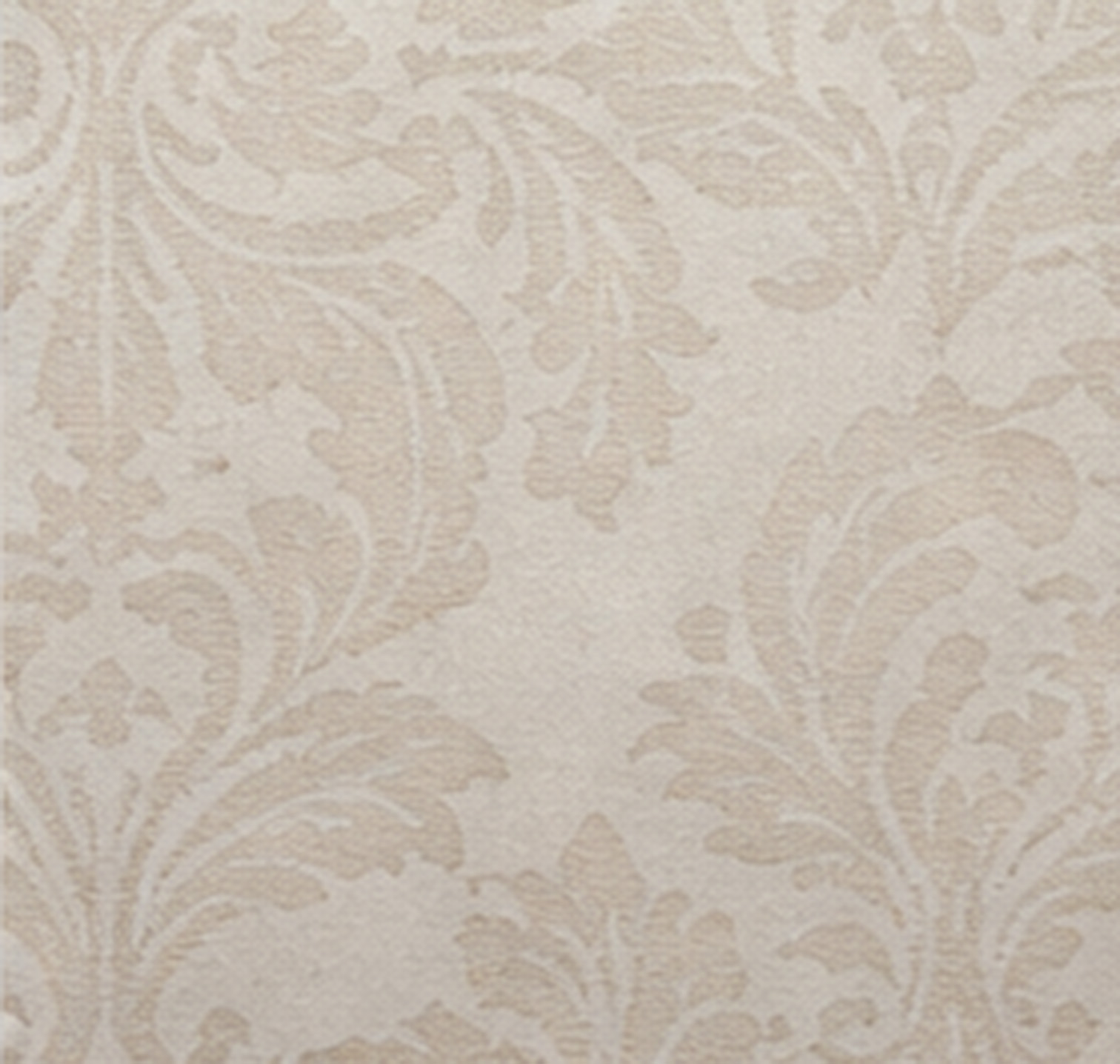
If the listing does not clearly explain the material, finish, trim condition, or installation method, quality is much harder to judge before ordering.
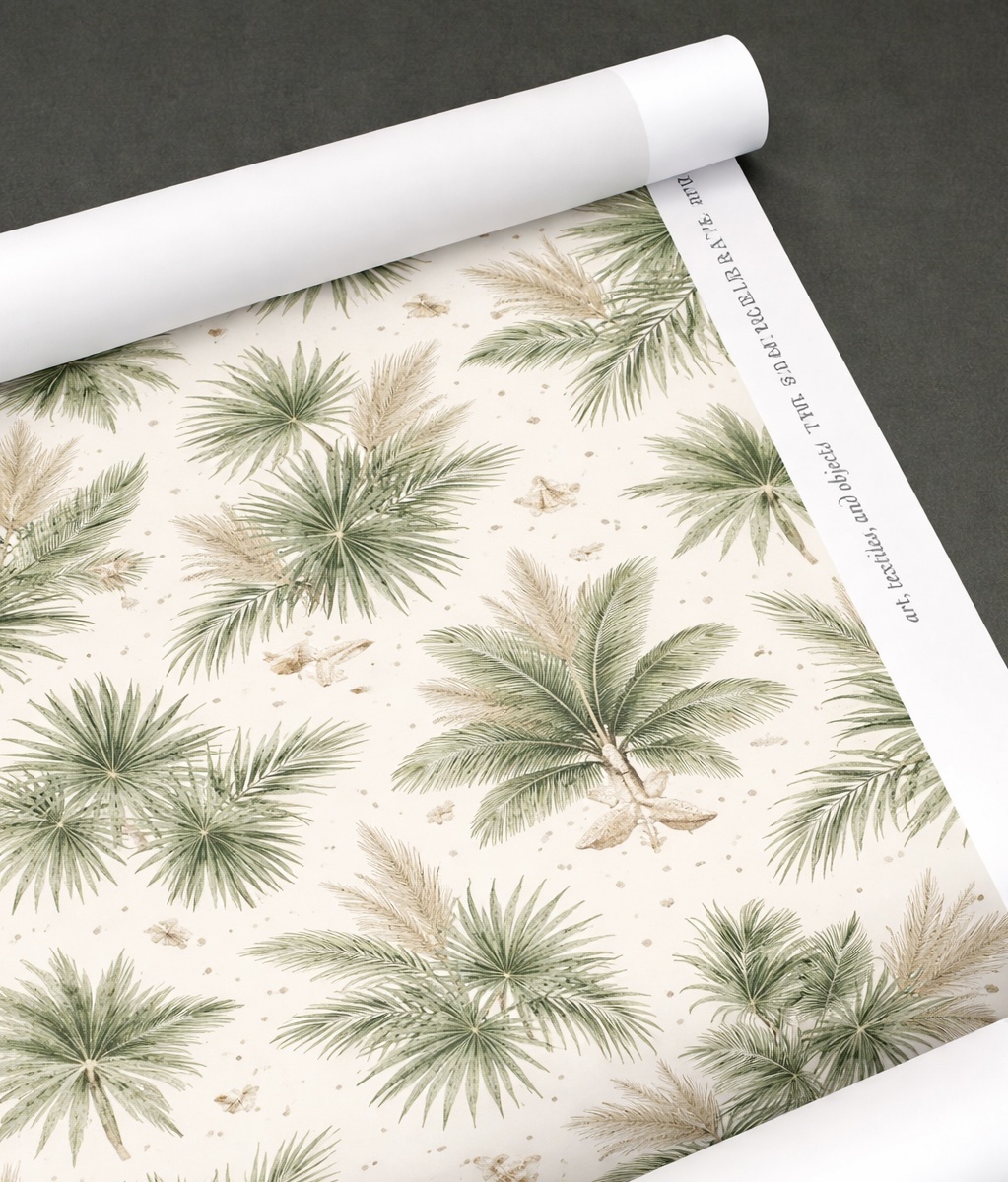
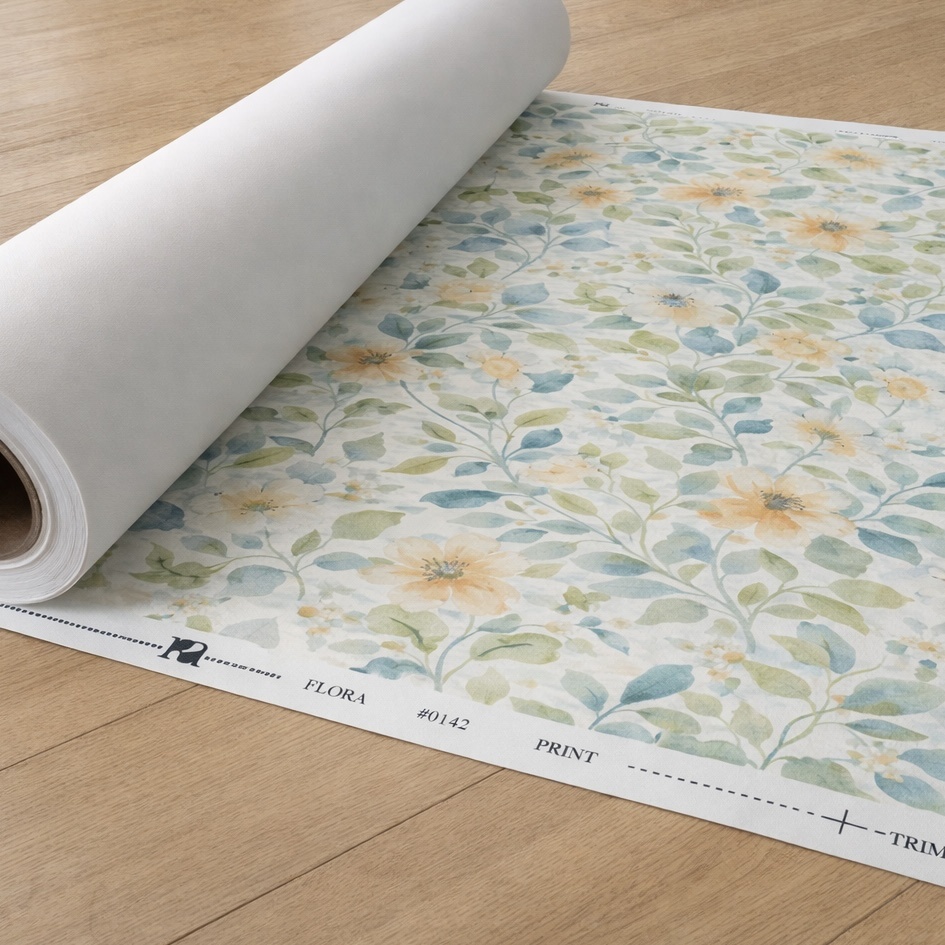
Untrimmed wallpaper is not low quality, but it is more technical and usually more expensive to install.
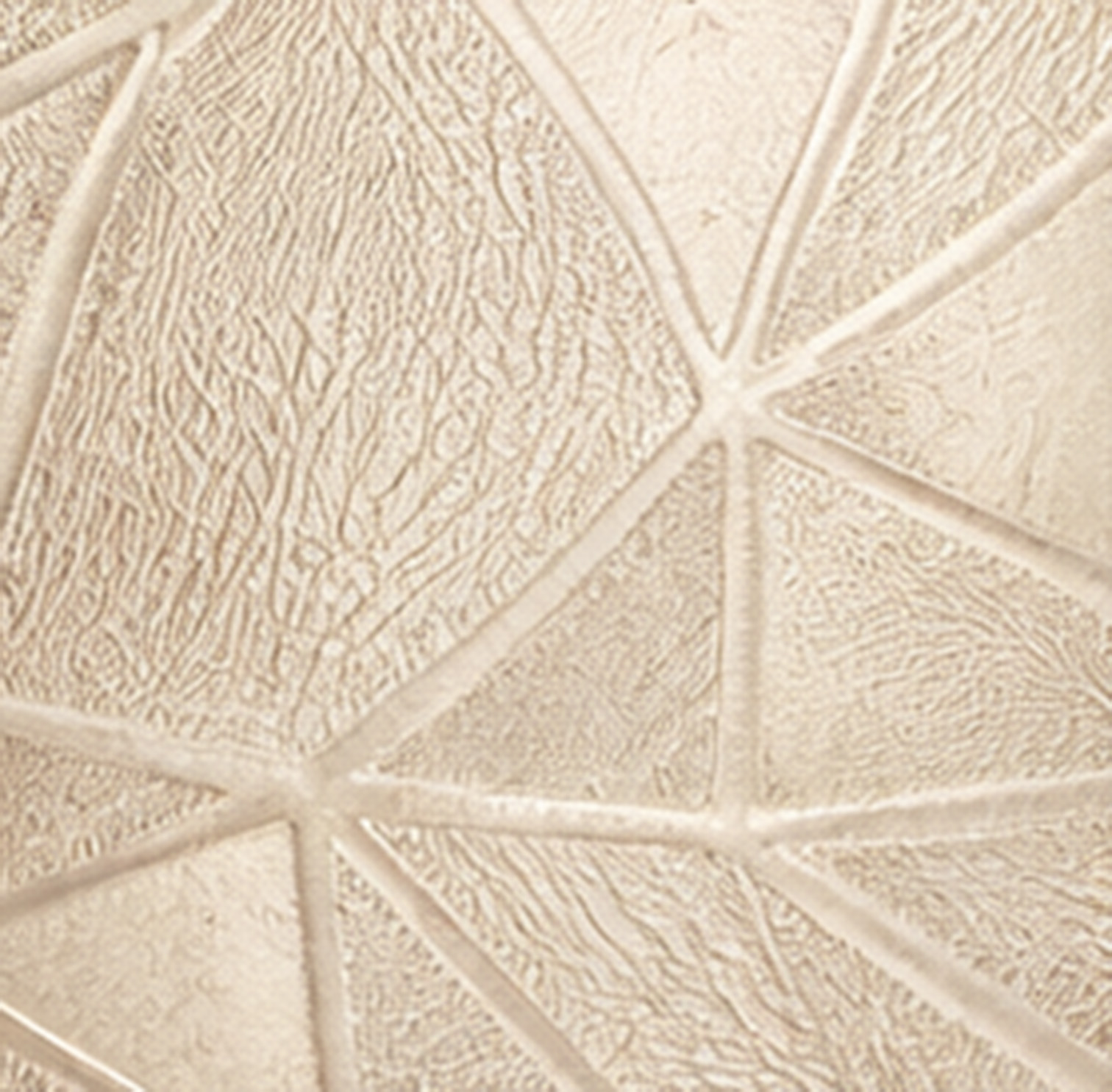
A wallpaper can look amazing online and still be the wrong product for the wall, the room, or the installer.
If the product information is weak, the risk usually goes up.
Not all wallpaper types perform the same way. Some are more forgiving, more stable, and more practical for everyday residential use than others.
For many residential interiors, non-woven wallpaper is one of the strongest overall choices. It is usually more stable, easier to handle, and more predictable than many difficult specialty materials.
Vinyl wallpaper can be a good choice where durability and wipeability matter, but quality depends heavily on the substrate, finish, and manufacturer.
Pre-pasted wallpaper can work well in the right project. The actual product matters more than the label alone.
Traditional paper wallpaper can be beautiful, but it is often less forgiving and may require more care.
These can look incredible, but they come with more expectations, more visible character, and less forgiveness.
Professional Recommendation: For many homeowners who want a beautiful, clean, long-term result, high-quality non-woven wallpaper is one of the smartest places to start.
Wallpaper is not only defined by the material. It is also defined by how it is meant to be installed.
Some wallpapers are installed using a paste-the-wall method, where adhesive is applied directly to the wall. Others are paste-the-paper, where adhesive is applied to the back of the wallpaper. Some are pre-pasted, and some are peel-and-stick.
The installation method affects handling, mess, wall prep expectations, seam behavior, and overall predictability during installation.
Mini conclusion: Paste-the-wall is not a wallpaper type. It is an installation method — and often a very good one when paired with the right material.
Peel-and-stick sounds simple in marketing. In real life, it is much more conditional. It may work as a temporary solution or for very specific projects, but it is often oversold as easier and safer than it really is.
Traditional wallpaper is often a suitable long-term choice when installed according to the manufacturer's guidance on a properly prepared substrate. Peel-and-stick can also work well on appropriate smooth surfaces, but neither product category is right for every room.
Peel-and-stick can be useful as a temporary option. Traditional non-woven wallpaper is usually the better long-term option.
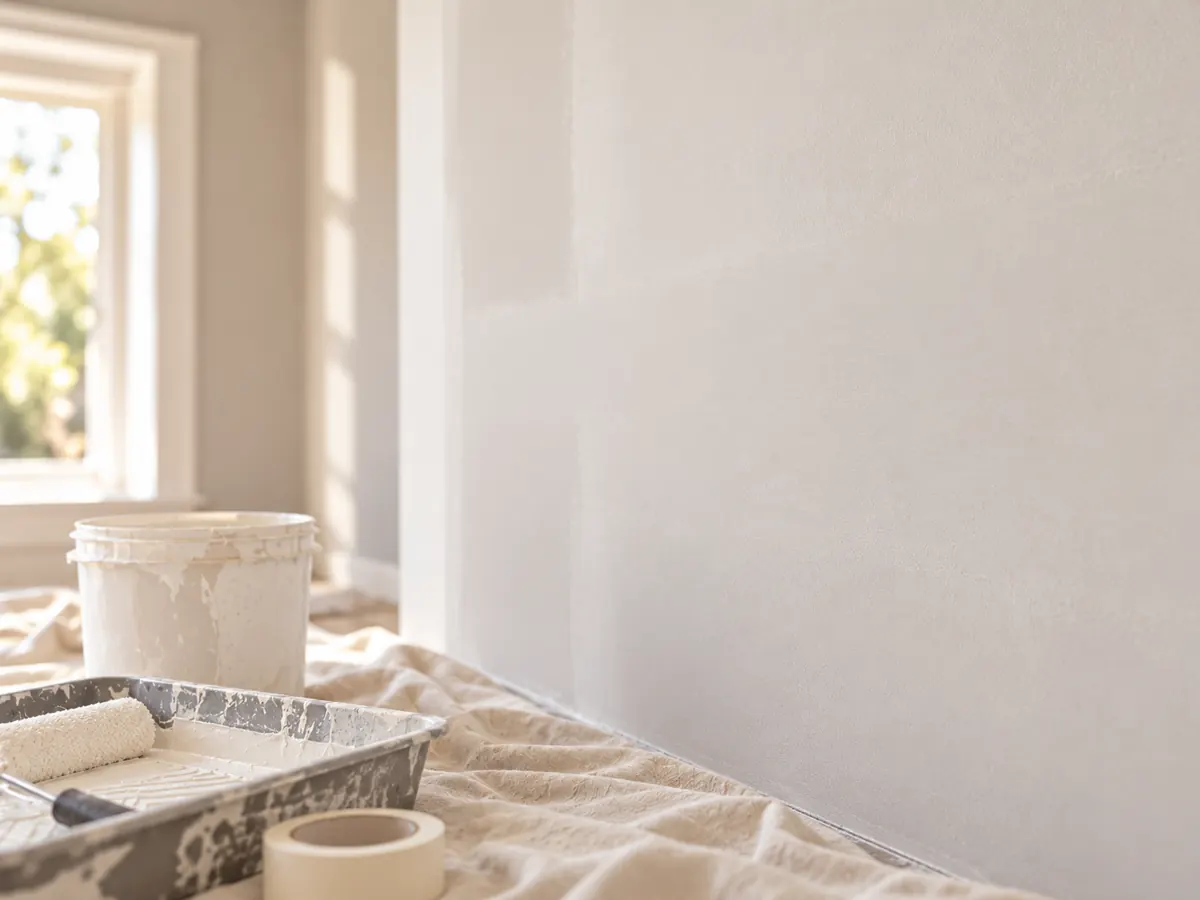
Even the best wallpaper can underperform on a poorly prepared surface. Smooth, clean, properly prepared and primed walls usually produce a much better final result.
If the wall is textured, dusty, damaged, patched unevenly, or poorly painted, the wallpaper may still go up — but the result may look more flawed than expected.
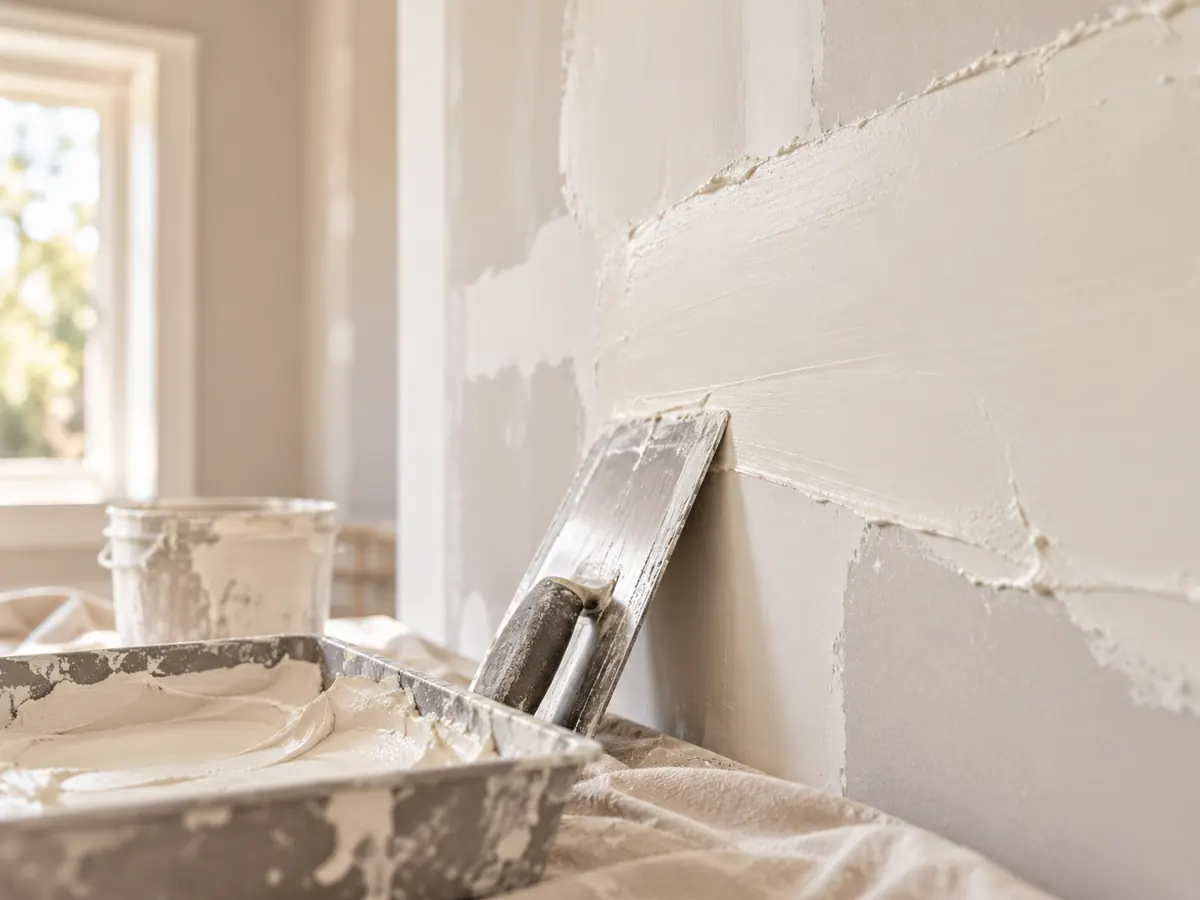
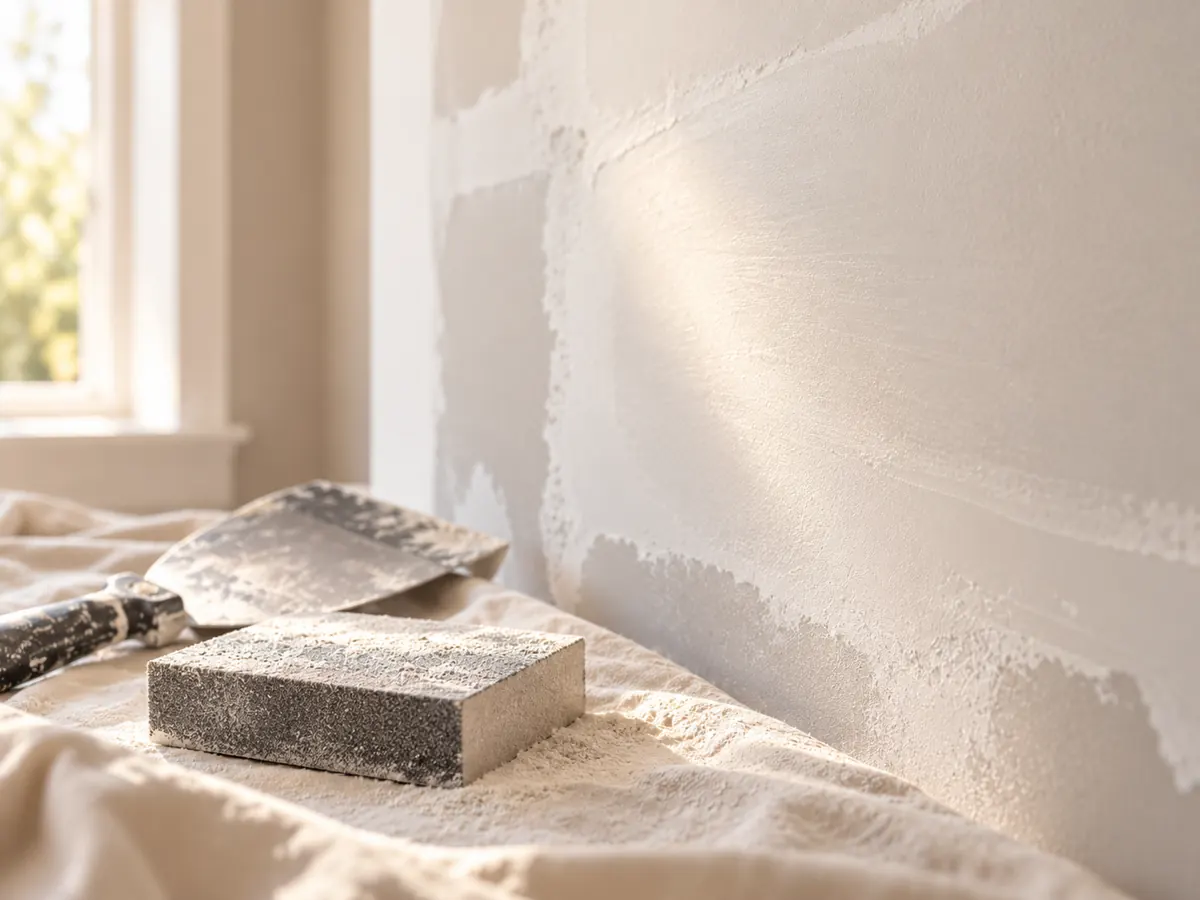
If you want to compare specific materials, finishes, and wallcovering categories in more detail, start with these guides:
Choose wallpaper that feels calm, balanced, and comfortable at scale. Learn more about bedroom wallpaper installation.
A great place for bolder wallpaper and more visual personality.
Think about light, scale, furniture, and whether you want a backdrop or a focal point.
Choose more carefully. Material and room conditions matter more here. See our bathroom wallpaper installation guide.
Think about durability, flexibility, and whether the wallpaper should feel timeless or temporary.
A homeowner usually sees the pattern first. An installer sees the material first.
A professional starts asking different questions:
Wallpaper quality becomes much clearer once the sample is in hand — and even clearer once installation begins.
Before You Order
If you are unsure, it is better to pause before ordering than to buy the wrong wallpaper and solve the problem later.
Common questions before ordering designer wallpaper for a home.
Quality non-woven wallpaper is a versatile starting point for many dry interior rooms. Check the manufacturer's instructions, order a sample and compare textures in the room where it will be installed.
Heavy or uneven texture may show through wallpaper or weaken adhesion. A wall may require repairs, skim coating and compatible primer before installation. Check the wallcovering manufacturer's substrate requirements.
Neither is automatically better. Peel-and-stick may be convenient for some temporary projects on suitable smooth walls. Traditional pasted wallpaper often offers more material and design options for long-term installations.
Calculate from the actual roll dimensions, wall sizes, pattern repeat, match type and trimming allowance. A professional installer or supplier can help verify the order quantity and matching dye lots.
Some wallpapers can be used in dry, ventilated areas of bathrooms or powder rooms. Direct water exposure and persistent dampness require a different approach. Wallpaper is not a waterproofing system. See our bathroom wallpaper installation page.
If you already have wallpaper links, sample photos, product names, or screenshots, our team can review them before you order. That helps avoid common problems with the wrong material, the wrong installation method, or the wrong product for your wall condition.
Planning a local project? Start here: Wallpaper Installation San Diego
Whether you’re ready to move forward or just exploring ideas, feel free to reach out — we’re happy to answer your questions and help you plan your project step by step.
Contact Us